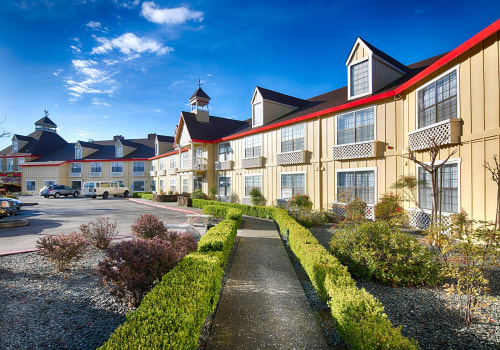
In Northern California’s thriving hospitality industry, maintaining clean and welcoming spaces is essential for attracting and retaining guests. Hotels, restaurants, and event venues rely heavily on their reputation, and even minor issues can significantly impact customer satisfaction. Pest control plays a critical role in ensuring that these spaces remain hygienic and comfortable. From dining areas to guest rooms, every part of a hospitality environment must be carefully monitored to prevent infestations that could disrupt operations and harm the guest experience.
Protecting Health and Safety Standards
Health and safety are top priorities in hospitality settings, where cleanliness directly affects both guests and staff. Pests such as rodents, insects, and wildlife can carry bacteria and contaminants that pose serious health risks. Effective pest control measures help prevent these hazards by addressing potential entry points and eliminating infestations before they spread. In regions like Northern California, where diverse wildlife is common, services such as raccoon removal in Sacramento, CA are particularly important for managing larger intrusions that could compromise sanitation and safety standards. By maintaining strict pest control practices, hospitality businesses can ensure compliance with health regulations and provide a safe environment for everyone.
Preventing Property Damage and Operational Disruptions
Pests can cause significant damage to property, affecting everything from structural elements to furnishings and equipment. Rodents may chew through wiring, insects can damage wood and fabrics, and wildlife can create nesting areas that lead to further complications. These issues not only require costly repairs but can also disrupt daily operations. For example, a pest-related problem in a kitchen or dining area could force temporary closures, resulting in lost revenue and negative customer experiences. Proactive pest control helps prevent such disruptions, allowing businesses to operate smoothly and efficiently.
Enhancing Guest Experience and Satisfaction
A pest-free environment is essential for delivering a positive guest experience. Guests expect hospitality spaces to be clean, comfortable, and free from any signs of infestation. Even a single incident involving pests can lead to negative reviews and long-term damage to a business’s reputation. By investing in regular pest control services and maintaining high standards of cleanliness, hospitality providers can create an environment where guests feel at ease. This attention to detail not only improves satisfaction but also encourages repeat visits and positive word-of-mouth recommendations.
Implementing Preventative Pest Control Strategies
Effective pest control in hospitality spaces involves more than just addressing existing problems—it requires a proactive approach to prevention. Regular inspections, proper waste management, and sealing potential entry points are essential steps in keeping pests at bay. Staff training also plays a role, as employees who are aware of pest control practices can help identify and report issues early. By integrating these strategies into daily operations, businesses can reduce the risk of infestations and maintain a consistently high standard of cleanliness.
Supporting Long-Term Business Success
Ultimately, pest control is a vital component of maintaining successful hospitality spaces in Northern California. By protecting health and safety, preventing property damage, and enhancing the guest experience, effective pest management supports both short-term operations and long-term growth. Businesses that prioritize pest control demonstrate their commitment to quality and professionalism, building trust with guests and ensuring a strong reputation in a competitive industry.